
Case Study
A marine protected area that got the science right and the governance backwards
Cu Lau Cham Marine Protected Area, Quang Nam Province, Central Vietnam
A legally proclaimed MPA off the coast of central Vietnam with rigorous baselines, sound boundaries, and technically competent management plans. We led the designation process. The governance weakness we identified during that process, rules designed by experts and presented to communities for comment rather than co-authored with them, is now central to how we approach every engagement.
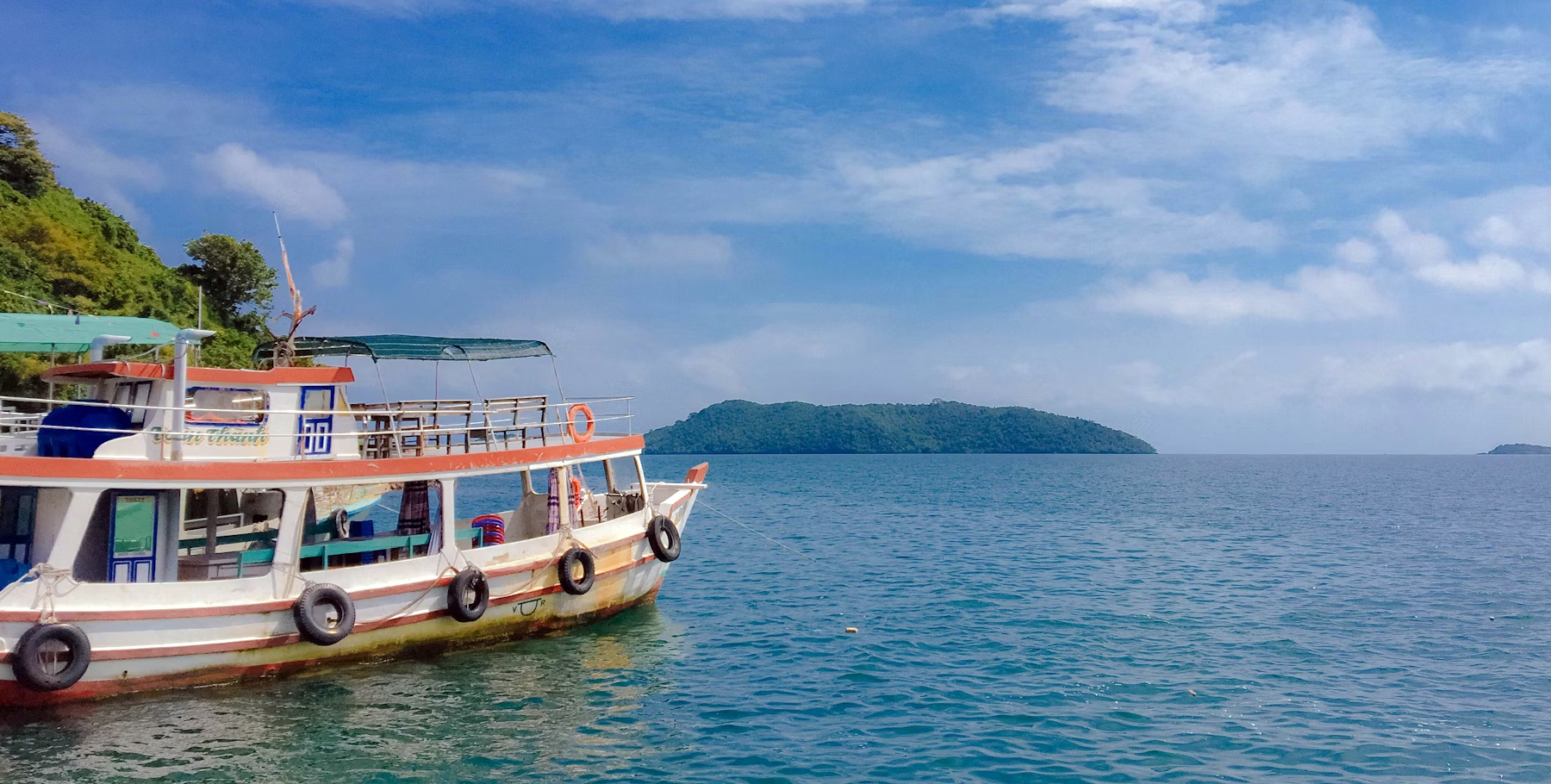
Cu Lau Cham is a group of eight small islands off the coast of Hoi An in central Vietnam. The marine ecosystem surrounding them, coral reefs, seagrass beds, fish nursery habitat, was under pressure from fishing, coral collection, and coastal development. The Government of Vietnam identified it as a priority site for marine protection, and we were contracted to lead the technical process for its legal proclamation.
The technical work was solid
Biodiversity baselines documented coral reef condition, fish species composition, and invertebrate diversity across the island group. Boundaries were demarcated through field assessment and mapping. Zone plans separated core protection areas from buffer zones where regulated fishing would continue. Management plans and regulations were drafted for legal adoption. The data from this period remains in the scientific literature and still informs monitoring at the site.
The protected area was proclaimed. Cu Lau Cham subsequently received UNESCO Biosphere Reserve designation.
The problem was in how the rules were made
The standard approach in Vietnamese protected area development at the time was to draft rules at a technical level and then present them to communities for comment. Communities could respond to rules they had not designed. That is structurally different from a process where the people who will live under the rules and the rangers who will enforce them are the primary authors.
The distinction matters practically. Rules designed by the people who enforce and comply with them reflect what is actually enforceable. They address the specific pressures the local ecosystem faces. They are respected because communities agreed to them through their own deliberative process. Rules handed down for comment produce compliance that depends on enforcement rather than agreement.
We raised this during the process. It was not taken up. The protected area was proclaimed as designed. The management challenges that follow from rules communities did not author, and the enforcement costs those challenges produce, are documented in the site's subsequent management history.
Legal designation is necessary. It is not sufficient.
A marine protected area with rigorous science, sound legal boundaries, and competent management plans will still underperform if the communities who depend on the ecosystem were not the architects of the rules governing it. Enforcement is expensive, contested, and does not hold across management cycles. Community-authored governance is none of those things.